In today's competitive business landscape, building a successful company requires more than industry expertise. Business owners are expected to lead teams, make strategic decisions, manage uncertainty, improve profitability, and continuously innovate. As businesses grow, these responsibilities become increasingly complex, making it difficult for founders and leaders to navigate challenges alone.
This is where a business coach can make a significant difference. A skilled business coach acts as a strategic thinking partner, helping entrepreneurs improve leadership, strengthen decision-making, enhance execution, and build sustainable businesses.
However, India's business coaching industry has grown rapidly over the past decade, making it difficult to distinguish experienced coaches from those with limited business exposure. Choosing the right coach requires careful evaluation beyond social media presence or marketing claims.
1. Define Why You Need a Business Coach
Before evaluating coaches, clearly identify your objectives.
Ask yourself:
- Do you want to scale your business?
- Are you struggling with leadership challenges?
- Is your business dependent entirely on you?
- Do you need help building a senior leadership team?
- Are sales, profitability, or execution becoming bottlenecks?
- Are you preparing for succession planning or organizational transformation?
Business coaches often specialize in different areas such as:
- Leadership Coaching
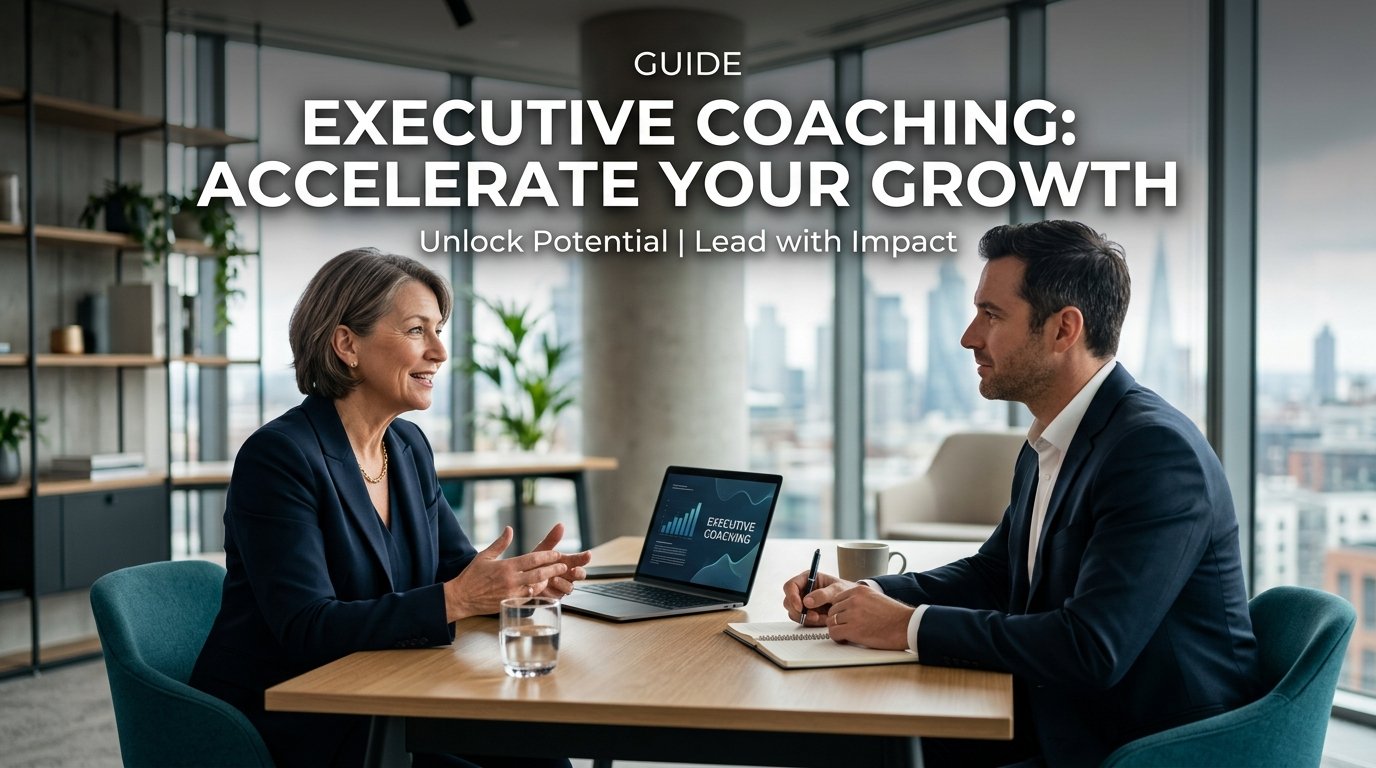
- Executive Coaching
- Family Business Coaching
- Sales Coaching
- Startup Coaching
- CEO Coaching
- Organizational Transformation
- Succession Planning
- High Performance Coaching
Selecting a coach whose expertise aligns with your business goals is the first and most important step.
2. Look for Proven Business Experience, Not Just Coaching Credentials
One of the biggest misconceptions is that every certified coach understands business.
While coaching certifications demonstrate professional training, practical business experience often provides deeper strategic insights.
Consider questions such as:
- Has the coach built, managed, or scaled businesses?
- Have they worked with founders, CEOs, or leadership teams?
- Do they understand your industry?
- Can they discuss real business situations rather than generic frameworks?
Experience across business growth, leadership, organizational challenges, and strategic decision-making often adds significant value to coaching engagements.
3. Evaluate Their Coaching Philosophy
Every business coach works differently.
Some focus primarily on accountability.
Others emphasize leadership development, strategic thinking, organizational design, culture, or founder mindset.
During your initial conversation, understand:
- How do they structure coaching sessions?
- Do they customize the engagement?
- How do they measure progress?
- Will they challenge your assumptions or simply provide motivation?
- Do they focus on long-term capability building?
The best coaches develop better leaders—not dependency.
4. Check Reputation, Client Experience and Professional Credibility
Research the coach carefully.
Look for:
- Professional website
- Verified business presence
- Industry recognition
- Speaking engagements
- Published articles
- Books or thought leadership
- Client testimonials (where confidentiality permits)
- Professional memberships
- Coaching certifications
Many experienced executive and private business coaches maintain strict client confidentiality, particularly when working with business families, promoters, or senior executives. In such cases, reputation, referrals, and professional credibility become even more important than public endorsements.
5. Ask About Measurable Outcomes
Business coaching should produce meaningful business outcomes rather than simply inspiring conversations.
Discuss how success will be evaluated.
Possible indicators include:
- Improved leadership effectiveness
- Faster decision-making
- Revenue growth
- Better team alignment
- Stronger accountability
- Organizational scalability
- Improved profitability
- Leadership succession
- Enhanced execution discipline
While every business differs, an experienced coach should help define measurable objectives from the beginning.
6. Consider Industry Fit and Business Stage
The needs of a startup founder differ significantly from those of a second-generation family business or a large manufacturing company.
Choose a coach who understands your current stage of growth.
Whether you are:
- Launching a startup
- Scaling operations
- Building professional management
- Preparing for succession
- Expanding internationally
- Managing organizational transformation
Relevant experience can significantly improve coaching effectiveness.
7. Build a Relationship Based on Trust
Business coaching often involves discussing confidential matters including strategy, finances, leadership conflicts, organizational challenges, and personal decision-making.
Trust, confidentiality, and mutual respect are therefore essential.
The most effective coaching relationships are built on openness, constructive challenge, and honest conversations rather than admiration alone.
Final Thoughts
Hiring a business coach is a strategic investment in leadership rather than an expense.
The right coach will not make decisions for you. Instead, they will strengthen your ability to think strategically, lead effectively, solve complex problems, and build an organization capable of sustained growth.
As India's entrepreneurial ecosystem continues to mature, business coaching is becoming an increasingly valuable resource for founders, CEOs, family businesses, and leadership teams seeking long-term competitive advantage.
Rather than choosing a coach based solely on popularity or marketing visibility, business owners should evaluate expertise, business experience, coaching methodology, credibility, and alignment with their long-term objectives.
A successful coaching relationship is ultimately measured not by the number of sessions conducted, but by the lasting improvement in leadership capability, organizational performance, and business outcomes.