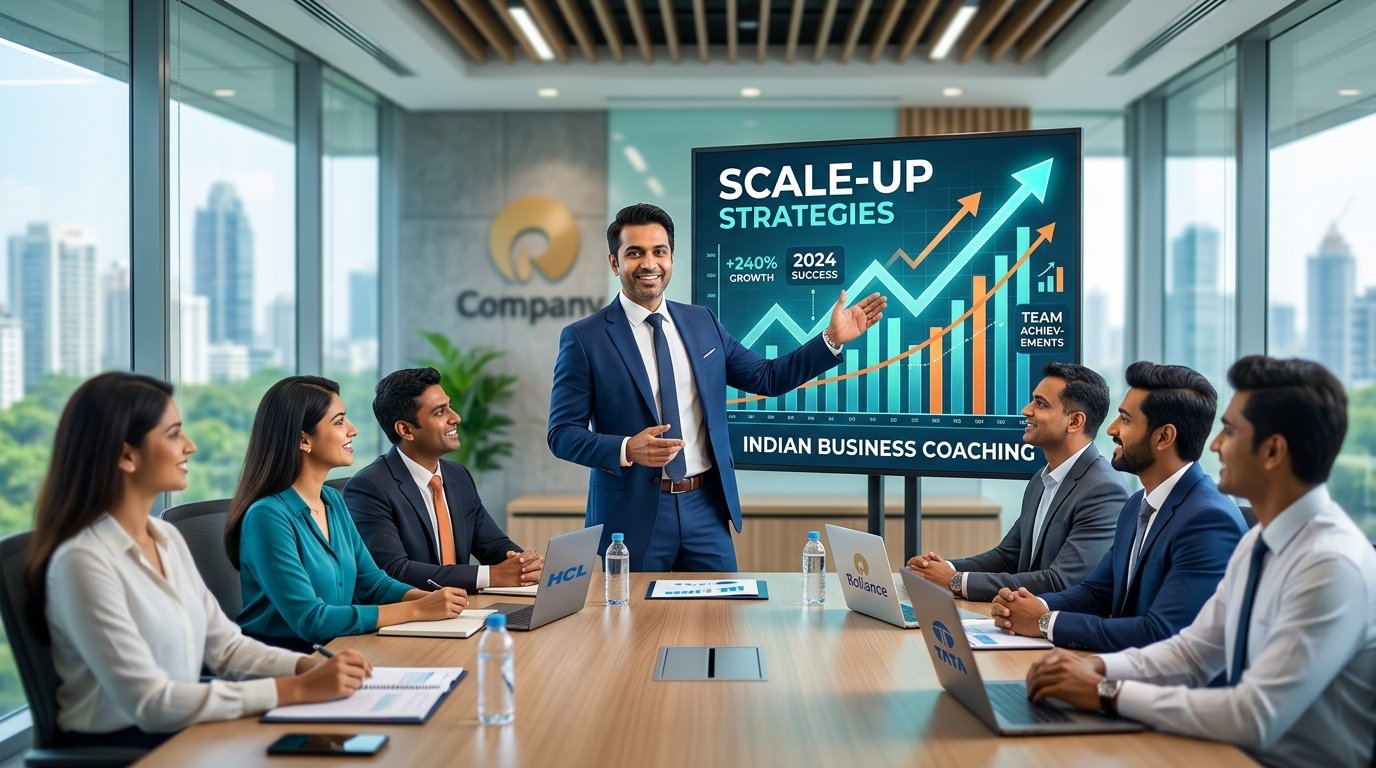
India has emerged as one of the world's fastest-growing economies, driven by entrepreneurs, family-owned businesses, startups, and rapidly expanding enterprises. While access to technology, capital, and talent has improved significantly, many businesses still struggle with leadership challenges, execution gaps, organizational scaling, succession planning, and sustainable growth.
This is where business coaching has become increasingly relevant. Today, business coaches are no longer viewed as motivational speakers or accountability partners. Instead, they are trusted strategic advisors who help business owners improve decision-making, strengthen leadership, align teams, and build organizations capable of long-term success.
As Indian businesses become more competitive and globally connected, coaching has evolved into an important leadership development tool that supports both business growth and founder effectiveness.
Why Indian Businesses Are Increasingly Investing in Business Coaches
Every business eventually reaches a stage where experience alone is no longer enough. Founders who successfully build businesses often discover that scaling an organization requires a different set of leadership capabilities than starting one.
Business owners commonly face challenges such as:
- Business growth plateau
- Lack of strategic clarity
- Founder dependency
- Weak leadership teams
- Employee productivity concerns
- Succession planning
- Decision fatigue
- Organizational culture issues
- Sales and profitability challenges
Unlike consultants, who often recommend solutions, business coaches work closely with business leaders to improve their thinking, leadership, communication, and execution capabilities. The objective is to enable business owners to solve increasingly complex challenges independently while building stronger organizations.
This shift has been particularly noticeable among Indian family businesses, where leadership transition, governance, and professional management have become key priorities. Many business families now seek experienced business coaches to facilitate smoother succession, strengthen family governance, and prepare the next generation of leaders.
Startups have also contributed to this growing demand. Founders often require guidance on scaling operations, building leadership teams, attracting talent, and navigating rapid organizational change. Business coaching provides structured thinking, accountability, and objective feedback during these critical growth phases.
How Business Coaches Create Measurable Business Impact
Effective business coaching focuses on improving the capabilities of leaders rather than merely solving isolated business problems.
One of the most significant areas of impact is strategic decision-making. Business owners regularly make high-stakes decisions involving investments, hiring, expansion, partnerships, acquisitions, and organizational restructuring. A skilled business coach provides an independent perspective that helps leaders evaluate opportunities more objectively while minimizing costly mistakes.
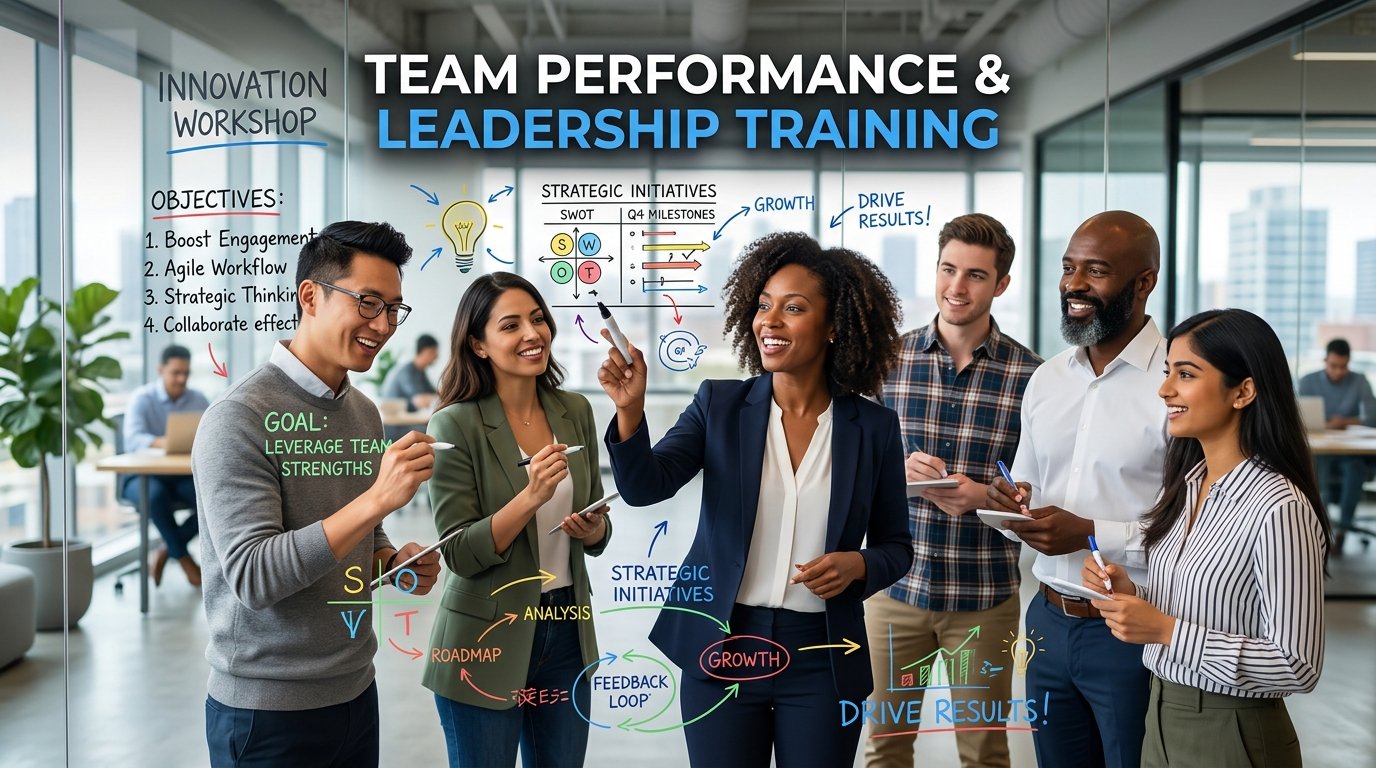
Leadership development is another major outcome. Organizations rarely outperform the quality of their leadership. Business coaches work with founders, CEOs, and senior executives to improve communication, delegation, accountability, conflict resolution, emotional intelligence, and organizational alignment.
Operational excellence also benefits from coaching. Many growing businesses suffer from inconsistent execution despite having strong strategies. Coaches often help leadership teams establish clear priorities, measurable goals, execution frameworks, and performance accountability that improve organizational discipline.
Business coaching also plays an important role in organizational culture. High-performing businesses are built on trust, transparency, ownership, and continuous improvement. Coaches frequently assist leadership teams in creating cultures where employees feel engaged, empowered, and aligned with business objectives.
Sales effectiveness is another common coaching focus. Rather than teaching isolated sales techniques, business coaches often help organizations strengthen their sales strategy, customer experience, pricing approach, performance measurement, and leadership within sales teams.
Perhaps the greatest value of coaching lies in founder transformation. As businesses grow, founders must evolve from operators into strategic leaders. Learning to delegate effectively, build capable leadership teams, and focus on long-term strategy often determines whether a business continues to grow or becomes constrained by founder dependency.
The Future of Business Coaching in India
India's business coaching industry is expected to continue expanding alongside the country's entrepreneurial growth.
Several long-term trends are supporting this transformation.
The increasing professionalization of family businesses is creating sustained demand for succession planning, governance, and leadership coaching.
India's thriving startup ecosystem continues to generate founders who require guidance beyond technical expertise, particularly in leadership, scaling, investor communication, and organizational development.
Large enterprises are integrating executive coaching into leadership development initiatives as organizations recognize that leadership capability directly influences business performance.
Artificial Intelligence is also reshaping the coaching profession. AI-powered assessments, productivity analytics, learning platforms, and administrative automation are enabling coaches to spend more time on strategic thinking and leadership development. However, the human aspects of coaching—judgment, trust, emotional intelligence, and contextual understanding—remain difficult to replicate through technology alone.
As the industry matures, organizations are becoming more selective in choosing coaches. Practical business experience, measurable client outcomes, structured methodologies, ethical standards, and deep domain expertise are increasingly valued over marketing visibility or social media presence.
The future is also likely to see greater specialization. Rather than positioning themselves as generalists, many coaches are developing expertise in areas such as family business, succession planning, leadership development, sales excellence, organizational transformation, startup scaling, manufacturing, healthcare, technology, and executive performance.
Conclusion
Business coaching has evolved into a strategic growth catalyst for Indian organizations. In an increasingly competitive business environment, sustainable success depends not only on innovative products or financial resources but also on the quality of leadership, execution, and organizational capability.
For business owners, coaching provides an objective sounding board, strengthens decision-making, develops leadership capacity, and helps organizations navigate growth with greater confidence. For organizations, it creates stronger cultures, better execution, higher accountability, and long-term resilience.
As Indian businesses continue to expand globally and leadership challenges become more complex, business coaching is expected to play an increasingly important role in helping founders, executives, and organizations build sustainable, high-performing enterprises.